



Lifestyle changes can include avoiding caffeine, getting adequate sleep, exercising regularly, and avoiding alcohol. Counseling can help an individual cope with their cravings and triggers, as well as develop healthier habits. The risks of alcohol withdrawal insomnia can vary depending on the individual. However, some of the more common risks include fatigue, difficulty concentrating, memory problems, depression, and increased risk of alcohol relapse. Additionally, alcohol withdrawal insomnia can lead to more serious complications such as seizures, delirium tremens (DTs), or even death. Alcohol is a depressant, meaning it can slow down the brain and body.
Prescription Meds Are Even Riskier
Staying busy and active during the day can help keep your mind off of the cravings and help you sleep better at night. Additionally, avoiding alcohol triggers can help keep you from drinking again. Those with sleep disorders should proceed with extra can alcohol cause insomnia caution before reaching for that evening drink. Research shows that it can increase the risk of certain sleep disorders and parasomnias while exacerbating the symptoms of others. When drinking before bed, be mindful of the potential to develop symptoms of insomnia.
How does alcohol affect sleep?
Most people sleep better in cooler temperatures, around 65°F, though this can vary per individual. Avoid screens for at least an hour before sleep,6 as their blue light emission suppresses melatonin production and disrupts sleep cycles. Fortunately, there are proven ways to manage these symptoms and promote restful sleep while your body is withdrawing from alcohol.
Average Duration of Insomnia After Alcohol Detox
When you’re heading to bed after a long day, a few drinks can feel like the perfect way to get some shuteye. But the truth is, alcohol’s alleged “sleep-enhancing” benefits may not be all they’re cracked up to be. Sleep apnea is a common disorder where the airway collapses or becomes blocked during sleep. While the urge to reach for a cup of coffee during withdrawal might be strong, caffeinated drinks can worsen your sleep struggles.
Online Therapy
Alcohol has sedative properties that may help with sleep onset, allowing you to fall asleep faster. However, people who drink alcohol before bed often experience disruptions later in their sleep cycle. Although experts can’t be certain that alcohol directly causes insomnia, numerous studies have found a link between this sleep disorder and alcohol consumption. If you commit to sobriety, you will experience withdrawal symptoms, especially if you were diagnosed with addiction that interfered with your physical and mental well-being. Sleep disturbances are likely in this scenario, but do not give up on your intention to give up alcohol and improve your health – within a few weeks you will feel better and your sleeping https://ecosoberhouse.com/ troubles will go away.
- In other words, it throws off the first two stages of light sleep, and it can be difficult for your body to readjust during the remainder of the night.
- Many people mistakenly believe that alcohol helps with sleep because it can initially make them feel drowsy and fall asleep faster.
- Individuals living with AUD experience much poorer sleep quality than those who consume moderate amounts of alcohol.
It leads to anxiety, difficulty falling asleep, and restless nights—and it’s highly common among people who just quit drinking. In addition to reducing REM sleep, alcohol affects the body’s circadian rhythms and may cause people to wake up in the middle of the night. It also increases the likelihood of nighttime bathroom trips and can worsen or contribute to sleep apnea. Small amounts of alcohol may cause short-term sleep disturbances, but frequent and large quantities of alcohol consumption may lead to chronic insomnia for certain individuals.

Symptoms of co-occurring disorders may heighten when you stop drinking alcohol. This typically happens to people who use alcohol to cope with the effects of mental health disorders. It’s best to treat any co-occurring disorders with proper detoxing from alcohol use to avoid severe withdrawal symptoms. It’s common for someone who’s alcohol-dependent to experience long-term sleep problems since insomnia and other sleep disorders are typical symptoms of alcoholism. While some people find that drinking alcohol helps them fall asleep more easily, alcohol ultimately has a negative impact on sleep.
This article will explore its risk factors, symptoms, diagnostic tests, medications, procedures, and home remedies to help manage the disorder. And though it may help in the short term, drinking alcohol before bed can actually lead to a night of horrible, restless sleep. The duration of alcohol withdrawal insomnia varies but typically improves over a few weeks. Rehab is instrumental in managing this condition, offering structured support, setting regular sleep schedules, and incorporating relaxation techniques. Professional guidance ensures a safe and effective strategy Halfway house for overcoming withdrawal-induced sleep disruptions.
- More than 70% of those with alcohol use disorder (AUD) also experience alcohol-induced sleep disorders, such as insomnia, according to scientists in a 2020 review.
- Alcohol rehab can help you overcome your addiction issues and help you deal with the issues that are affecting your sleep.
- Fatigue affects 60-70% of individuals with alcohol-induced sleep disorder.
- Unfortunately, many attempt to use the sedative effects of alcohol to combat their insomnia through self-medication.
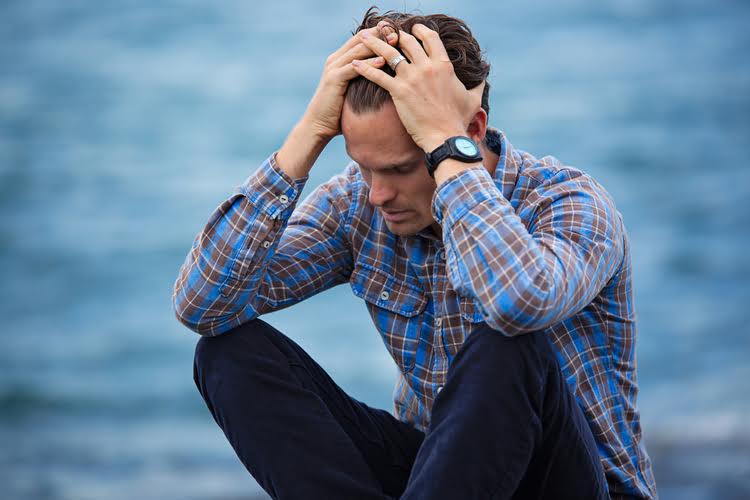
Alcoholism is a two-fold addiction – in that it involves physical and psychological components. It is also a powerful disease capable of damaging or destroying your heart, liver, pancreas, kidneys, brain, etc. However, it’s not always easy to pinpoint the signs and symptoms of alcoholism. You may be wondering what it is about alcohol that makes you feel sleepy, especially if you’re also experiencing adverse symptoms of insomnia. Alcohol depresses your central nervous system, which means your brain activity, breathing, and heart rate all slow down when you’re intoxicated.
- As a result, individuals may feel fatigued and drowsy throughout the day.
- This sleep cycle disruption is what causes the person to feel tired and “fuzzy” the next day and can lead to further sleep issues, such as insomnia or alcohol addiction over time.
- Thus, understanding and addressing such sleep disturbances is critical during the recovery process.
At any rate, a regular nighttime drinking habit will increase your odds of poor-quality sleep over time. Research on alcohol and sleep shows that moderate-to-heavy drinking has a detrimental effect on sleep. But this is more of a guideline than a rule—simply because the amount of alcohol that causes insomnia is different for everyone. Most people’s sleep patterns gradually improve in the weeks following detox. Some people experience post-acute withdrawal syndrome, or PAWS, which can last for several months.
Insomnia can make you feel anxious and irritable or cause other emotions because it prevents you from getting the sleep you need. This can lead to stress and cause you to reach for alcohol to escape your emotions. Do not hesitate to reach out if you or someone in your life needs help with alcohol withdrawal. Getting enough sleep is important because it gives your body time to rest and recharge. It’s especially important to sleep when you’re going through alcohol withdrawal because you need energy to curb your cravings. A lack of sleep can cause concentration issues and other problems that prevent you from focusing on your recovery.